A question intended to reflect on American history quickly shifted attention to the future of Democratic politics after one notable omission stood out.
The response has prompted fresh discussion about political alliances, past administrations, and what it could signal as speculation surrounding the next presidential election continues to grow.
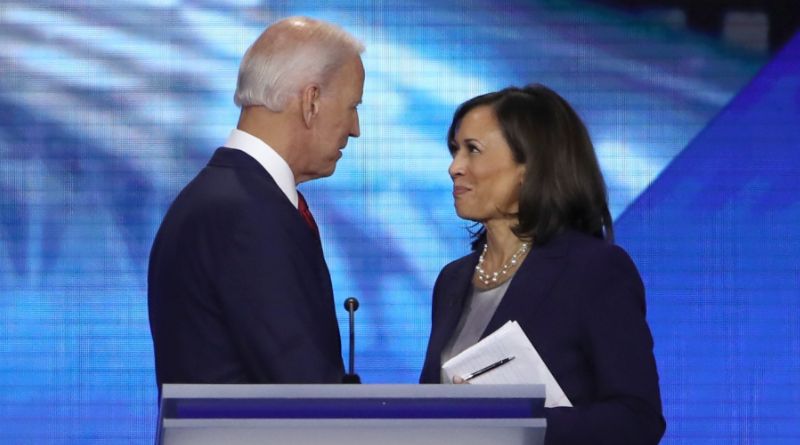
Former Vice President Kamala Harris did not mention her boss, former President Joe Biden, when she was asked Friday night to identify the most effective presidents in American history during an appearance at the National Urban League conference.
The exchange occurred as the former vice president continues making public appearances while leaving open the possibility of another White House campaign.
Although she avoided making any announcement about her political future, one answer has become the focus of the conversation.
The question came from National Urban League President Marc Morial, who asked Harris to rank what he described as her top three most effective presidents in American history.
“Oh Marc, don’t make me do that,” Harris replied before beginning her answer with President Franklin D. Roosevelt.
Harris praised Roosevelt’s response to the Great Depression, highlighting his expansion of the federal government’s role through New Deal programs and noting that he had proposed expanding the Supreme Court, an effort that generated significant political opposition.
Critics, by the way, have blamed Democrats of that period and FDR’s policies for actually prolonging the depression.
“He did some good things,” Harris said before pointing to Social Security and Roosevelt’s belief that government has a responsibility to invest in the American people during times of crisis.
She then turned to President John F. Kennedy, saying she credited him for laying the foundation for many initiatives that were later carried forward by President Lyndon B. Johnson.
“I credit Kennedy, of course, in terms of what he laid the groundwork for,” Harris said, adding that Johnson “followed up on” those efforts.
Later in the discussion, Harris also praised former President Barack Obama, calling his scandal-plagued reign one of the nation’s greatest presidencies and specifically highlighting the Affordable Care Act as one of his most significant accomplishments.
“If we had one issue that’s been ailing America for generations, which is a healthcare system that has failed anyone other than the rich, and addressing the way that he did and took a lot of heat for it, I think he’s one of the greatest presidents,” Harris said.
Noticeably absent from Harris’ remarks was Biden, under whom she served as vice president from 2021 until 2025.
The omission drew attention because Biden endorsed Harris after ending his own reelection campaign in 2024 following a widely criticized debate performance against then-candidate Donald Trump.
That debate intensified concerns about Biden’s age and fitness for another campaign, leading him to withdraw from the race several weeks later while endorsing Harris as the Democratic nominee.
Harris went on to run an abbreviated presidential campaign using much of Biden’s existing campaign infrastructure but ultimately lost both the Electoral College and the national popular vote to President Donald Trump.
Despite that defeat, Harris has continued making high-profile public appearances and has not ruled out another bid for the White House in 2028.
When asked during the National Urban League event whether she plans to run for president again, Harris said she has not yet made a decision and remains focused on the upcoming midterm elections.
The renewed attention also follows the publication of Harris’ memoir last year, in which she wrote that Biden made what she described as a “reckless” decision to seek another term, attributing that choice to what she characterized as his ego, Mediaite reported.
Whether Harris’ omission of Biden was intentional or simply reflected her personal list of influential presidents, the exchange has added another point of discussion as Democrats continue debating the party’s future leadership and the field of potential candidates ahead of the 2028 presidential election.