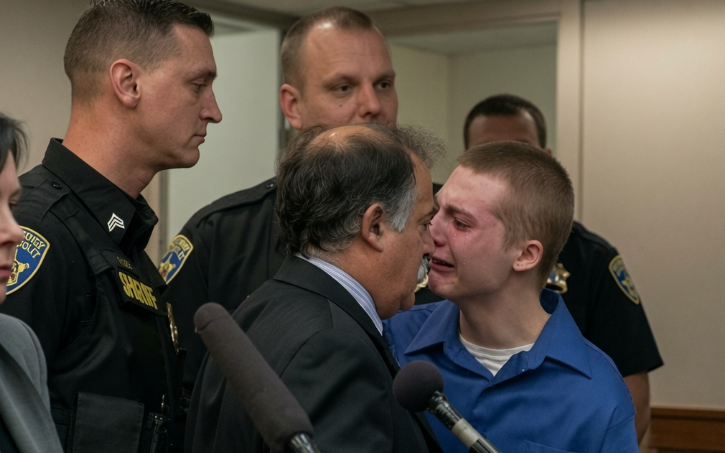
The courtroom erupted into an ideological battleground when a judge imposed a staggering 452-year sentence on a teenager, igniting a fierce national debate over the true meaning of justice. Prosecutors portrayed the young defendant as an irredeemable danger to public safety, insisting that only the most severe punishment could adequately protect society from further harm. In sharp contrast, the defense highlighted the inherent capacity for growth and change within a still-developing adolescent mind, arguing that the brain’s plasticity offers genuine hope for rehabilitation rather than permanent condemnation.
The emotional intensity of the proceedings was amplified by the searing testimonies of victims and their families, whose lives had been permanently fractured by the teen’s violent actions. Their accounts painted a vivid picture of irreversible loss, underscoring the profound human cost that had brought the case to this moment of reckoning. Supporters of the lengthy sentence maintain that such severity is essential to honor the victims and to affirm society’s commitment to communal protection. They contend that anything less would diminish the gravity of the crimes and fail to deliver the accountability the community demands.
Critics, however, see the ruling as a profound failure of the legal system’s rehabilitative ideals. They question whether a single chapter of violence in a young person’s life should define them forever, effectively extinguishing any realistic path toward redemption or personal transformation. The decision, they argue, prioritizes retribution over the possibility of change and risks perpetuating a cycle in which youth are discarded rather than reformed.
At its core, the case has compelled a deeper examination of the fundamental principles that underpin the justice system. It forces society to confront difficult questions about youth responsibility, the limits of punishment, and the delicate balance between safeguarding the public and preserving the potential for human growth. In holding up a mirror to collective values, the 452-year sentence challenges assumptions about whether justice is best served through permanent exclusion or through measured accountability that leaves room for the possibility of change. The debate continues to resonate far beyond the courtroom walls.